South Indian · Breakfast
Pesarattu (Andhra green moong dal dosa)
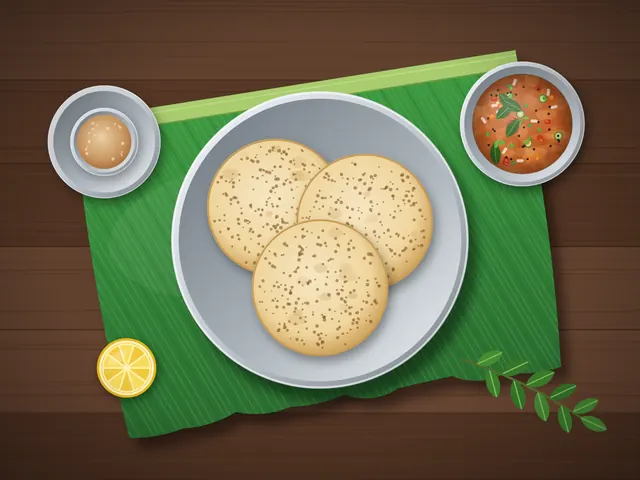
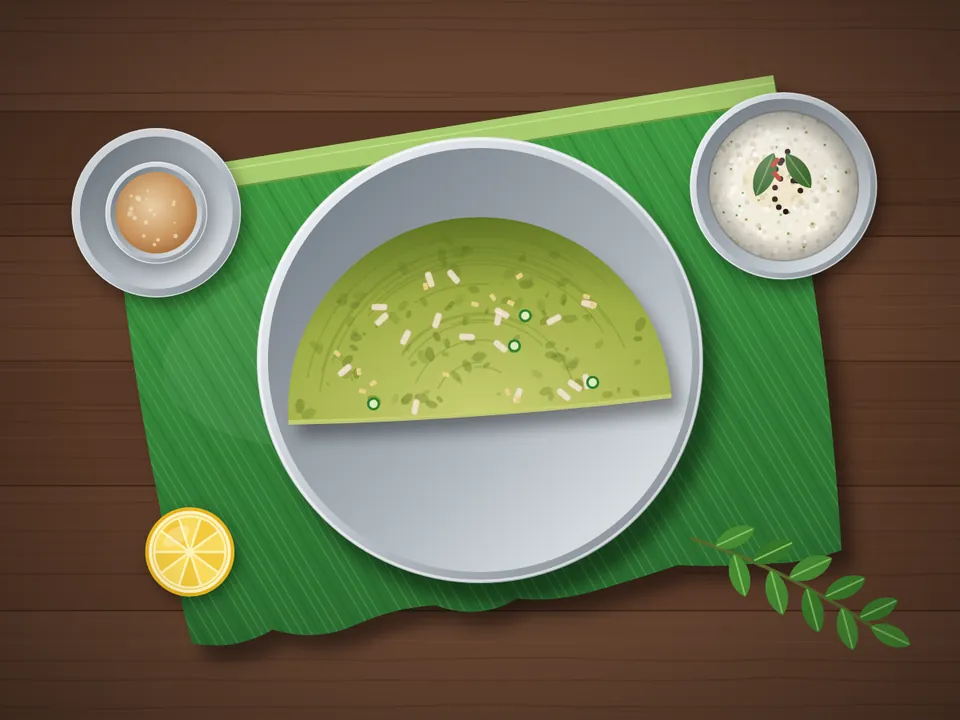
Pesarattu is a thin, crisp dosa made from whole green moong dal ground with ginger, green chillies and cumin. Because the batter needs no fermentation, you can soak the lentils in the morning and have a protein-rich breakfast or dinner ready the same day. A sprinkle of onion on top adds sweetness and crunch.
- Prep15 min
- Cook30 min
- Waiting6 h
- Servings4
- Total6 h 45 min · Per serving≈260 kcal
Ingredients
Tap an ingredient to tick it off as you cook.
Method
Waiting: Soaking the moong dal (6 h)
- Rinse the moong dal and rice together 2–3 times. Cover with plenty of water and soak for 5–6 hours or overnight.
- Drain the soaked dal and rice and add them to a blender with the ginger, green chillies, cumin seeds and salt. Grind to a smooth batter, adding water little by little until it is thick but pourable, like regular dosa batter.
- Heat a cast iron or non-stick tawa over medium-high heat. Sprinkle a few drops of water; they should sizzle and evaporate at once.
- Pour a ladle of batter into the centre and spread it quickly in circles to make a thin dosa. Drizzle 1/2 tsp oil around the edges.
- Scatter some chopped onion and coriander over the top and press them in gently with the back of the ladle.
- Cook for 2–3 minutes until the underside is golden and crisp. Flip and cook the onion side for 30–60 seconds, then flip back.
- Fold the pesarattu and serve hot. Wipe the tawa with a damp cloth and repeat with the remaining batter, stirring it before each dosa.
About this dish
Pesarattu comes from Andhra Pradesh and Telangana, where "pesalu" means green gram in Telugu and "attu" means a dosa-like pancake. It is a staple breakfast across coastal Andhra, served hot from the griddle in homes, tiffin centres and roadside stalls. The batter is usually made from unhulled moong, which gives the dosa its pale green colour and a slightly earthy, nutty flavour.
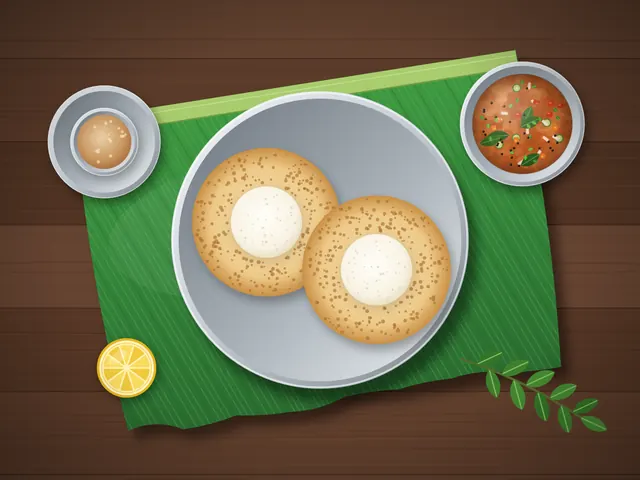
A famous version is MLA pesarattu, where a spoonful of rava upma is placed inside the dosa before folding. Pesarattu is most often eaten with a sharp ginger chutney (allam pachadi) or coconut chutney. Adding a small handful of rice to the moong helps the dosa crisp up and stop it sticking, while a little cumin aids digestion and adds aroma.
Tips
- Do not add too much water while grinding; a thin batter spreads easily but tears when you flip it.
- For a softer dosa, skip the onion topping, cover the pan and do not flip it.
- The batter keeps for 1 day in the fridge, but it is crispest when cooked fresh.
Serve with
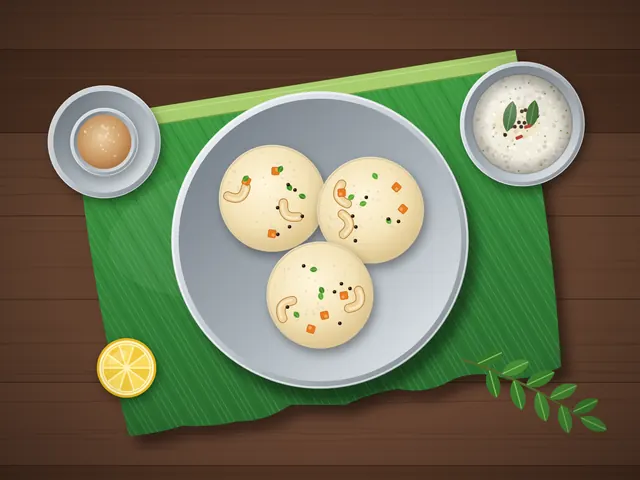
Serve hot with ginger chutney, coconut chutney or a spoonful of rava upma folded inside.
Goes well with: Coconut Chutney, Rava upma, Tomato Chutney