Upma guides
The history of upma
Upma is one of India's most familiar breakfasts, yet its story is rarely told. Here is what we know about its name, the grains behind it and the many regional versions cooked today.
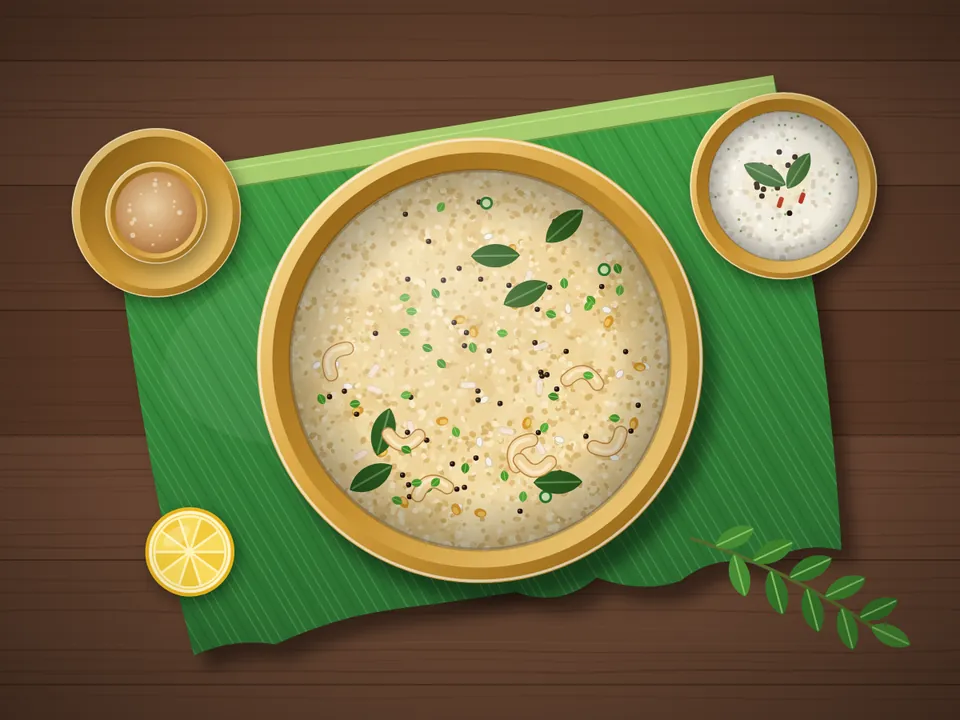
What the name means
The name is the best clue to upma's roots. In Tamil it is uppuma and in Malayalam uppumavu, from uppu (salt) and mavu (flour or ground grain). In Kannada it is uppittu, from uppu and hittu, which also means flour. Put simply, upma is salted meal: coarsely ground grain cooked with salt and a few seasonings.
Telugu speakers call it upma or uppindi, and in Maharashtra it is known as upit. In the rest of India, and in most restaurants, the short name upma is used.
A South Indian home dish
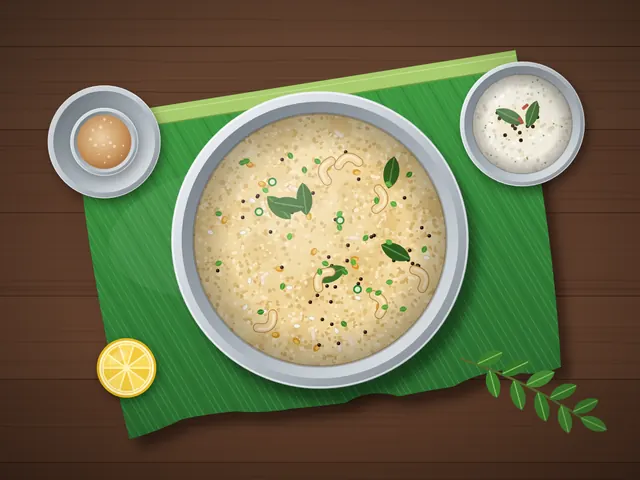
Upma grew out of everyday South Indian home cooking, so there is no single recorded moment when it was invented. What stays the same everywhere is the method: a hot tempering of mustard seeds, lentils and curry leaves, then a coarse grain cooked in salted water until soft and fluffy.
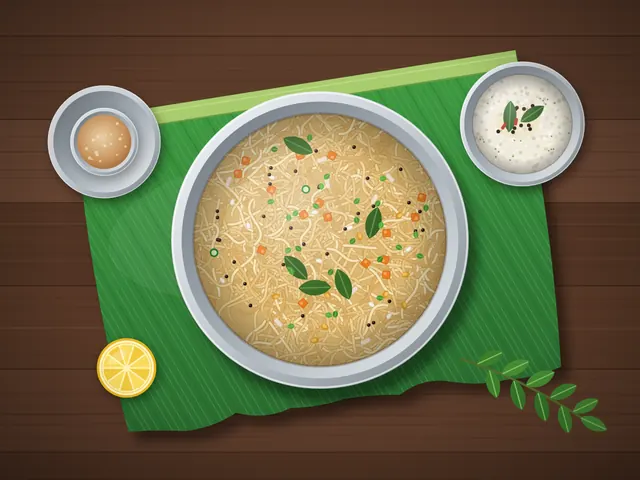
That method works with many grains. Coarsely broken rice gives arisi upma in Tamil Nadu and akki tari uppittu in Karnataka, and millets, vermicelli and broken wheat are used too. Today, though, the most common base by far is wheat semolina, called rava or sooji. The fine semolina sold in South India is often labeled Bombay rava.
Regional versions
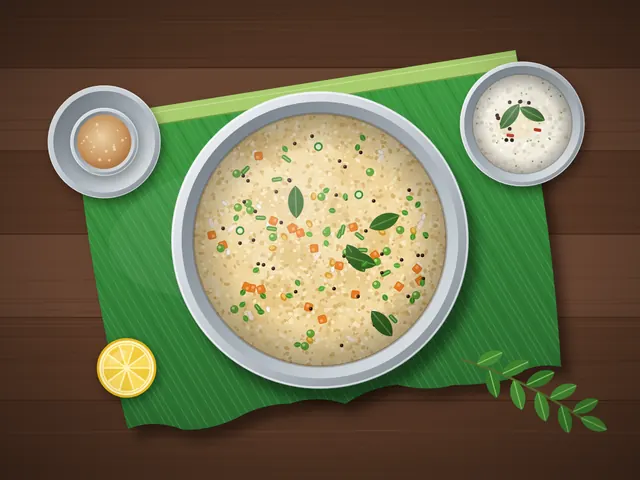
Karnataka is famous for khara bath, a spicier upma made with vegetables and a spice powder. In Bengaluru it is served with sweet kesari bath on the same plate, a combination known as chow chow bath.
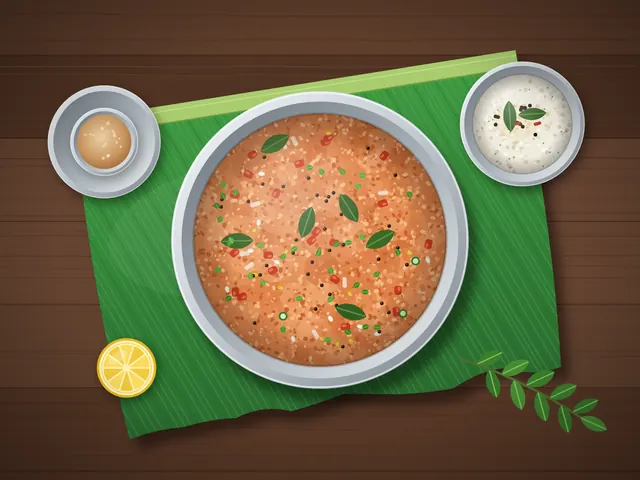
In Andhra Pradesh and Telangana, upma is folded inside pesarattu, a green moong dal dosa, to make the much-loved upma pesarattu. Tamil Nadu has rava kichadi, a richer, hotel-style upma with vegetables and plenty of ghee.
Beyond India
Upma traveled with South Indian families. It has been part of Sri Lankan Tamil cooking since the late 20th century, and it is cooked in Indian homes from the Gulf to Singapore, the UK and North America. Ready-to-cook upma mixes are now sold in supermarkets in India and abroad.
Loved, and sometimes teased
Few dishes are joked about as much as upma. Because it appears so often at home, in hostels and in office canteens, many Indians grew up calling it boring, and many of the same people later admit they crave it. A well-made upma, with properly roasted rava and fresh curry leaves, usually wins over the doubters.
Upma today
Upma keeps changing with the times. Home cooks now make it with oats and millets for extra fiber, add seasonal vegetables, or turn leftovers like bread and idli into quick versions. The method is the same one South Indian kitchens have used for generations, which is exactly why it adapts so easily.